WeFi
WeFi Ecosystem Product Foundation
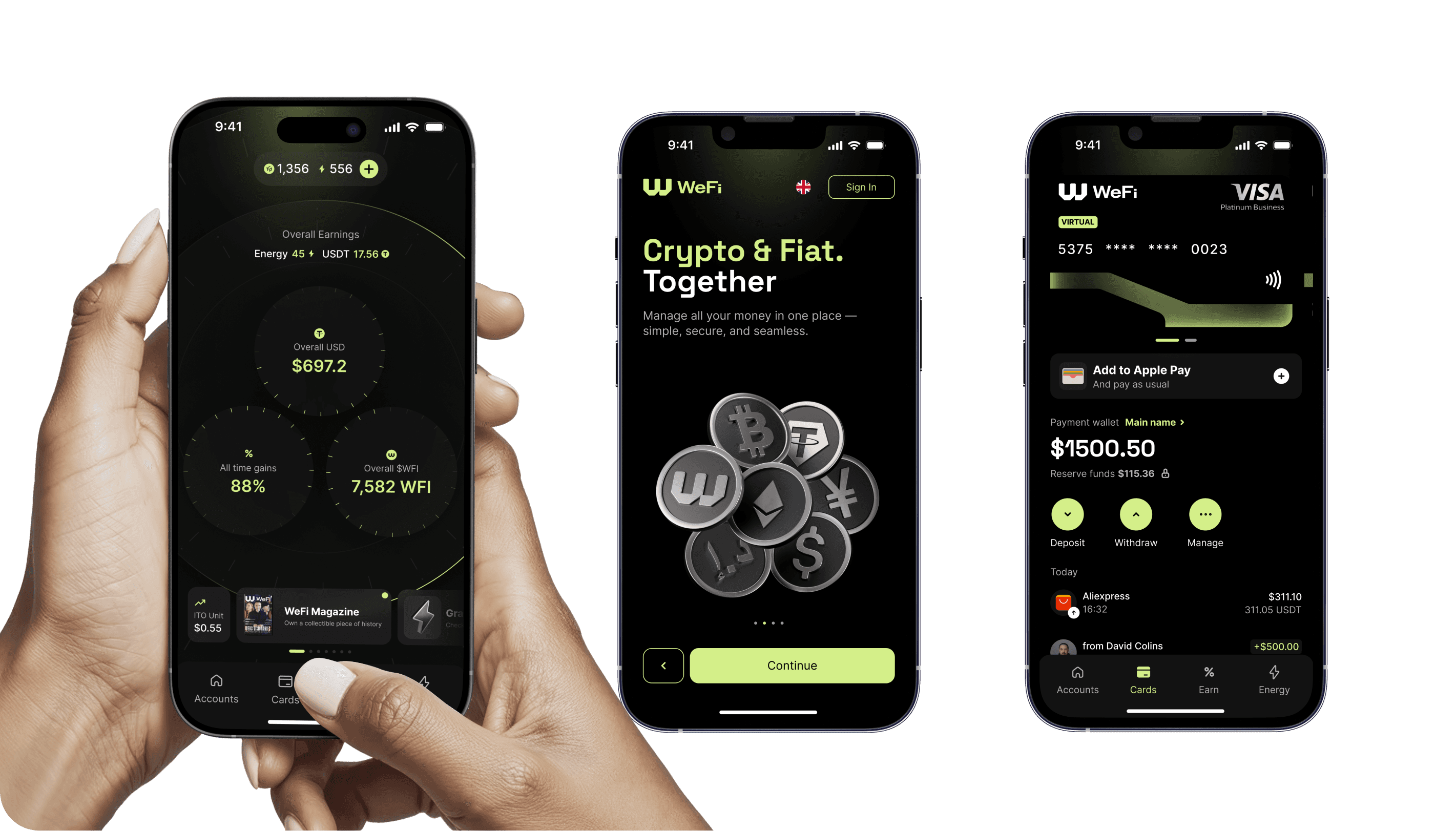
Built key ecosystem products, including the main WeFi App, SalesPoint, Training Center, and Deone. Created a scalable design system from scratch across multiple products, conducted UX researches, improved product experiences, optimized marketing funnels, prepared dev-ready designs, and managed outsourced design processes.
Nov 2024 – Apr 2026
Platform
Webapp / iOS / Android / Telegram
Team
Product, Engineering, QA, Brand, Marketing, Motion, Stakeholders
Duration
~2 years
Project Overview
WeFi is an onchain financial ecosystem built to connect banking infrastructure, digital assets, payment rails, and operational tooling within one product platform. Designed for both end users and institutional use cases, it combines consumer financial experiences with the underlying systems needed to support compliant, scalable Deobanking services. The broader ecosystem also included internal products focused on partner operations, performance enablement, and educational support — extending the platform beyond user-facing finance into the tools and systems that help drive adoption and growth.
Hybrid Financial Ecosystem
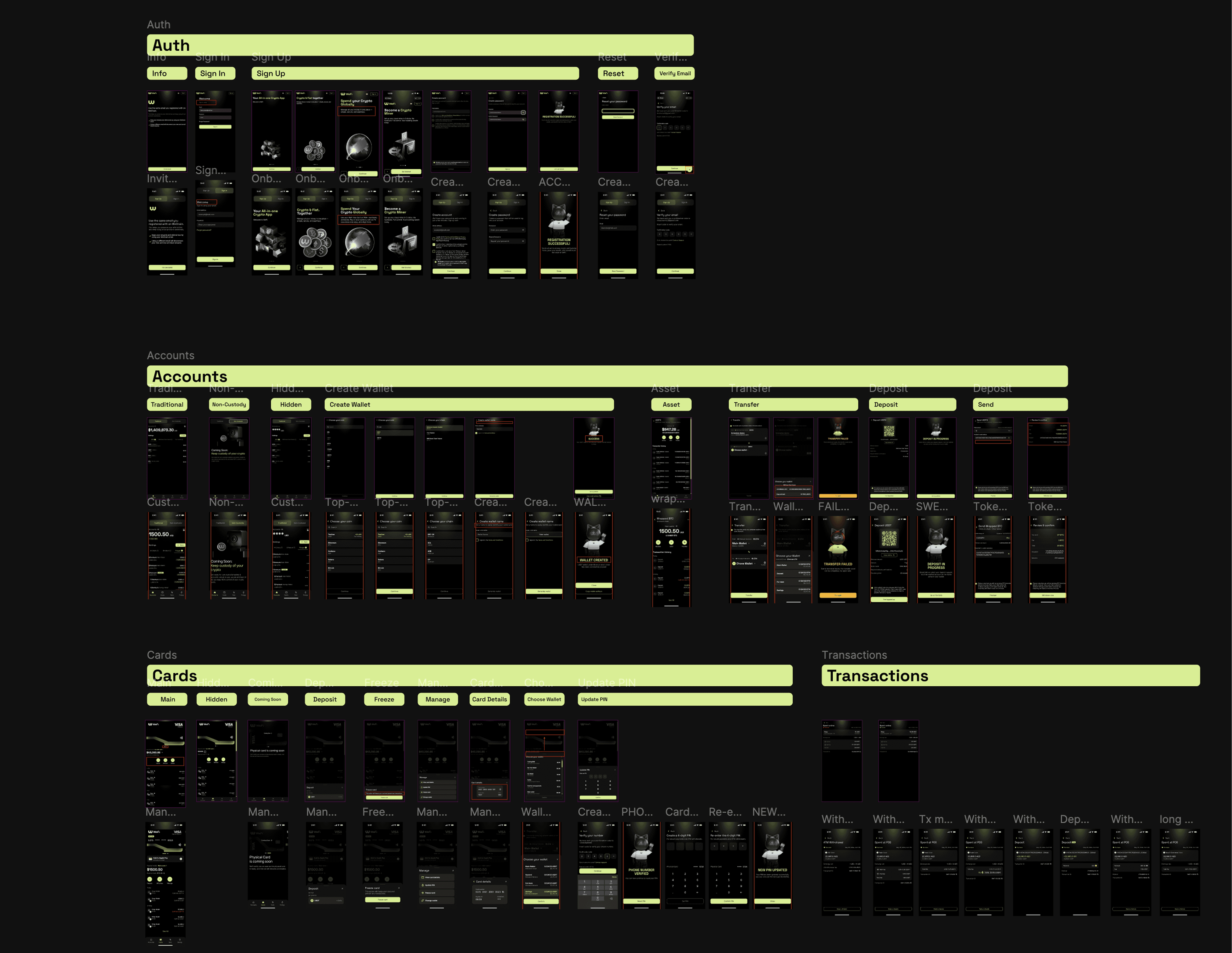
Bringing together banking, cards, transfers, crypto, and internal tooling within one connected product ecosystem.
Multi-Surface Experience
Extending beyond a single app into a broader system of user-facing products, partner tools, and future product directions.
Scalable Product Foundation
Built to support growth through strong core journeys, system thinking, and a structure designed for expansion across new features and markets.

/ CORE PRODUCT
/ WEFI

/ INTERNAL TOOLS
/ SALES POINT

/ NEW PRODUCT
/ DEONE
Problem
Crypto-fintech loses users when complexity appears
WeFi had to make a complex financial ecosystem feel simple, trusted, and usable for a broad audience, from crypto-native users to people joining through KOLs with limited digital finance experience.
The challenge was to help users understand what they can do, what requires setup, where their assets are, what happens next, and how they unlock more value – before complexity turns into hesitation.
?
?
?
?
Ownership
As WeFi’s sole product designer, I owned end-to-end product design across the core app and a broader ecosystem of internal, partner-facing, and exploratory products. The scope covered everything from discovery and feature architecture to UI execution, scalable design systems, developer handoff, implementation review, and post-launch refinement. I built the shared design foundation from scratch and worked closely across product, engineering, QA, brand, and motion to keep quality high across multiple surfaces.
Project Scope
0→1 Product Design · Design Systems · Core Flows · Internal Tools · Product Exploration · Visual Direction · Launch · UX Enhacements
Sole Product Design Ownership
Owned product design across the main app and a wide range of adjacent products and internal systems.
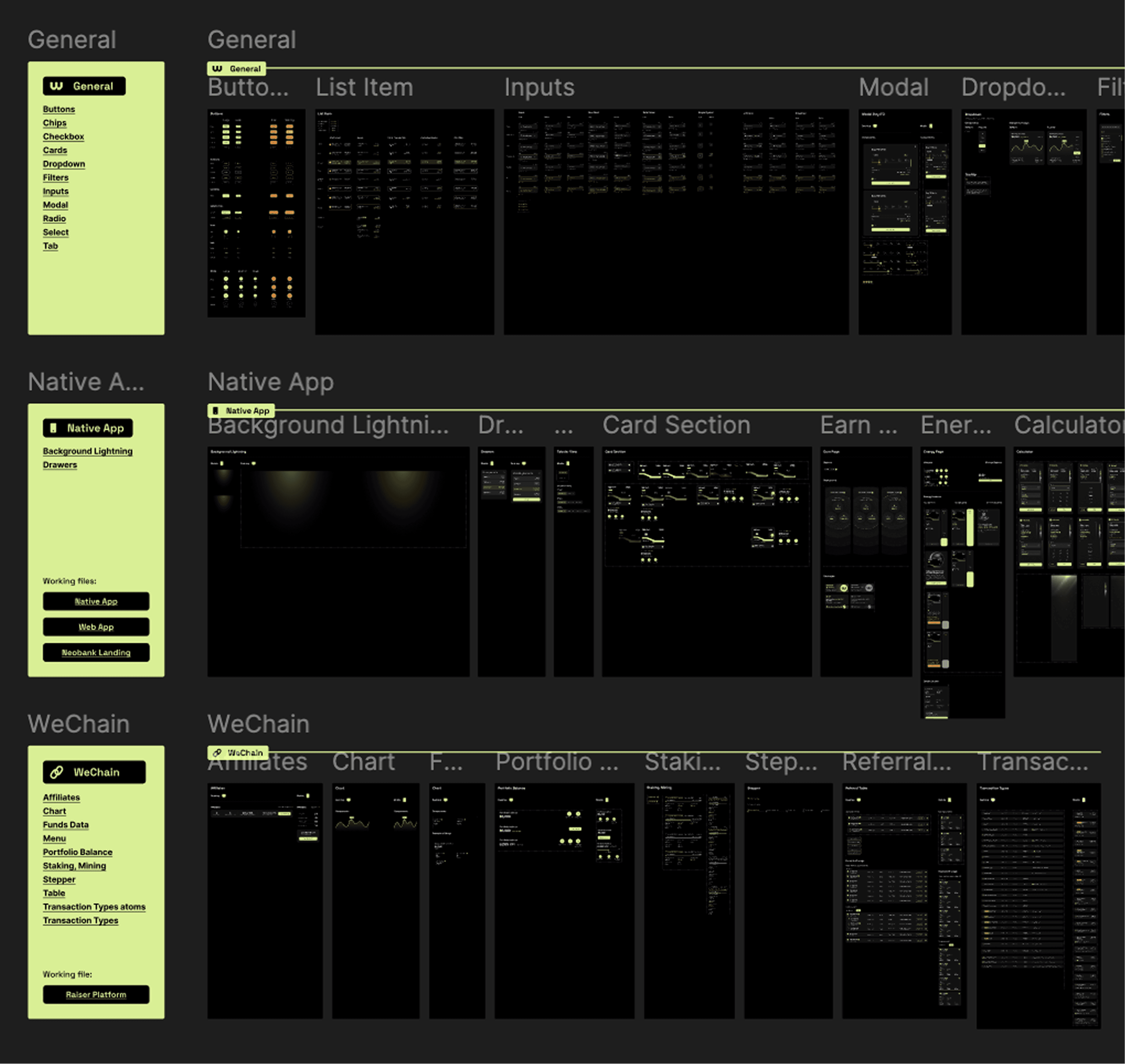
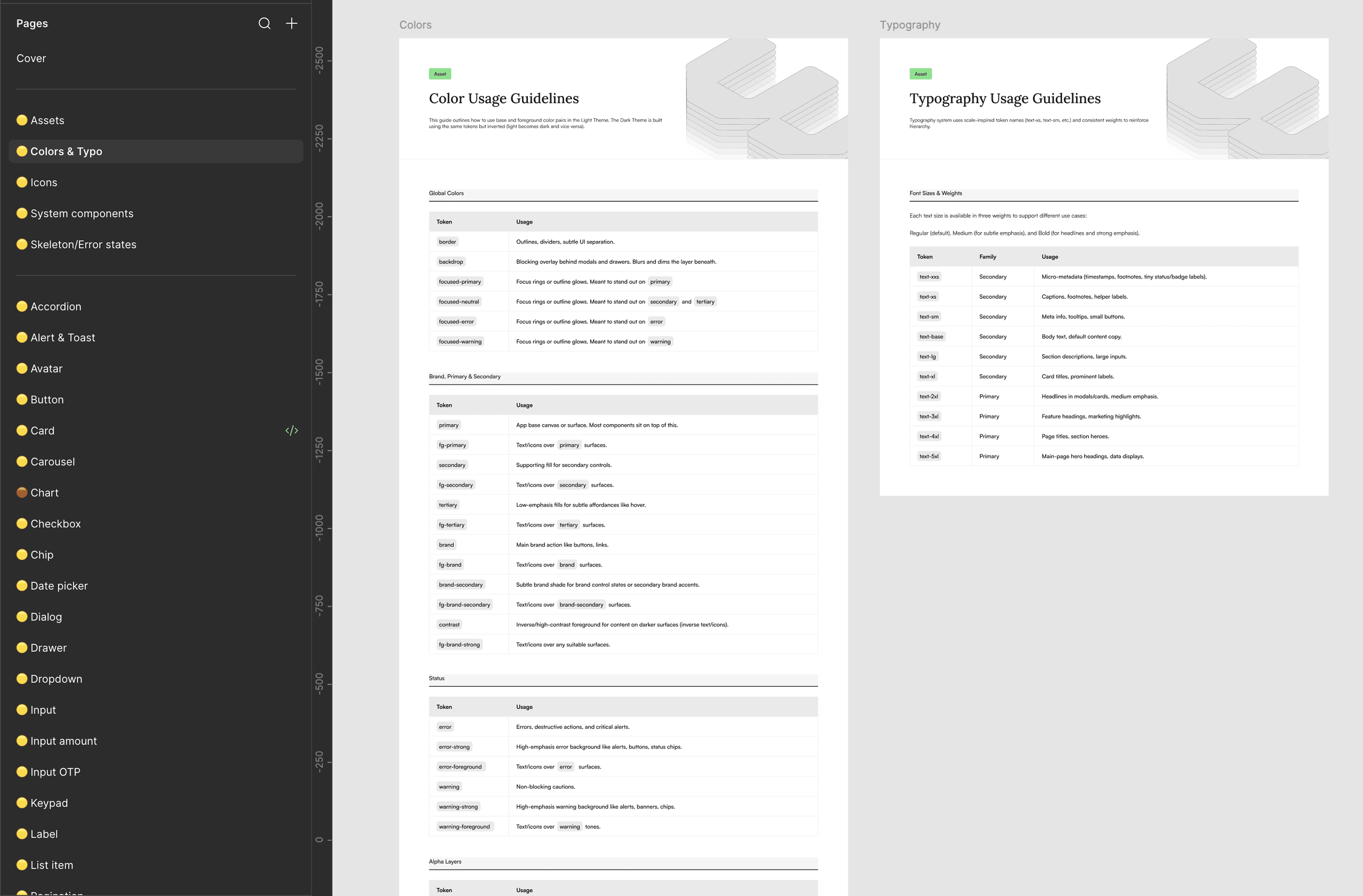
Scalable Design System
Created a shared multi-theme system with reusable components and tokens adopted across multiple products.

0→1 Product Foundation
Build core journeys, feature architecture, and UX foundations from the ground up.
End-to-End Execution
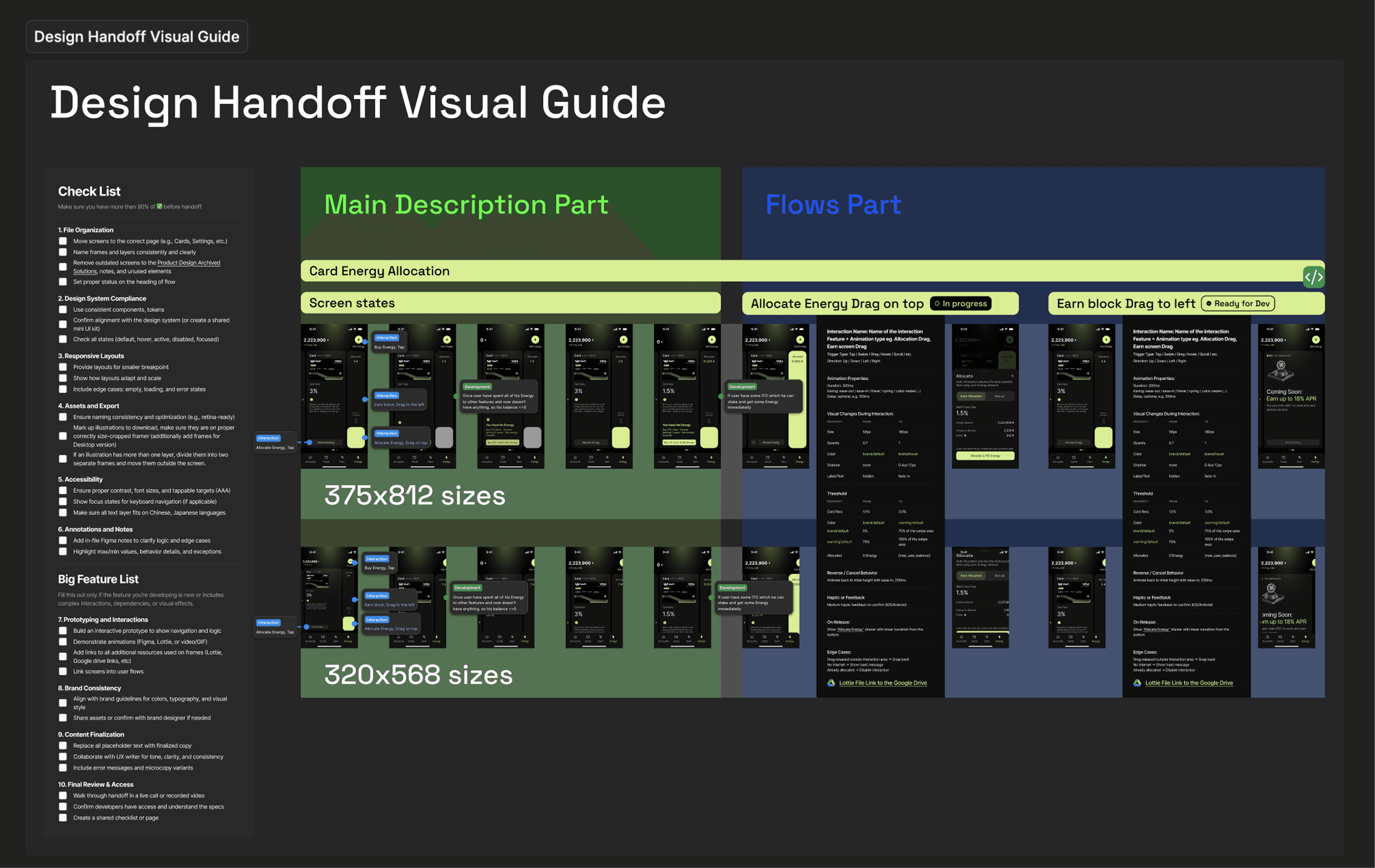
Stayed involved from exploration to launch, handoff, implementation review, and post-release polish.
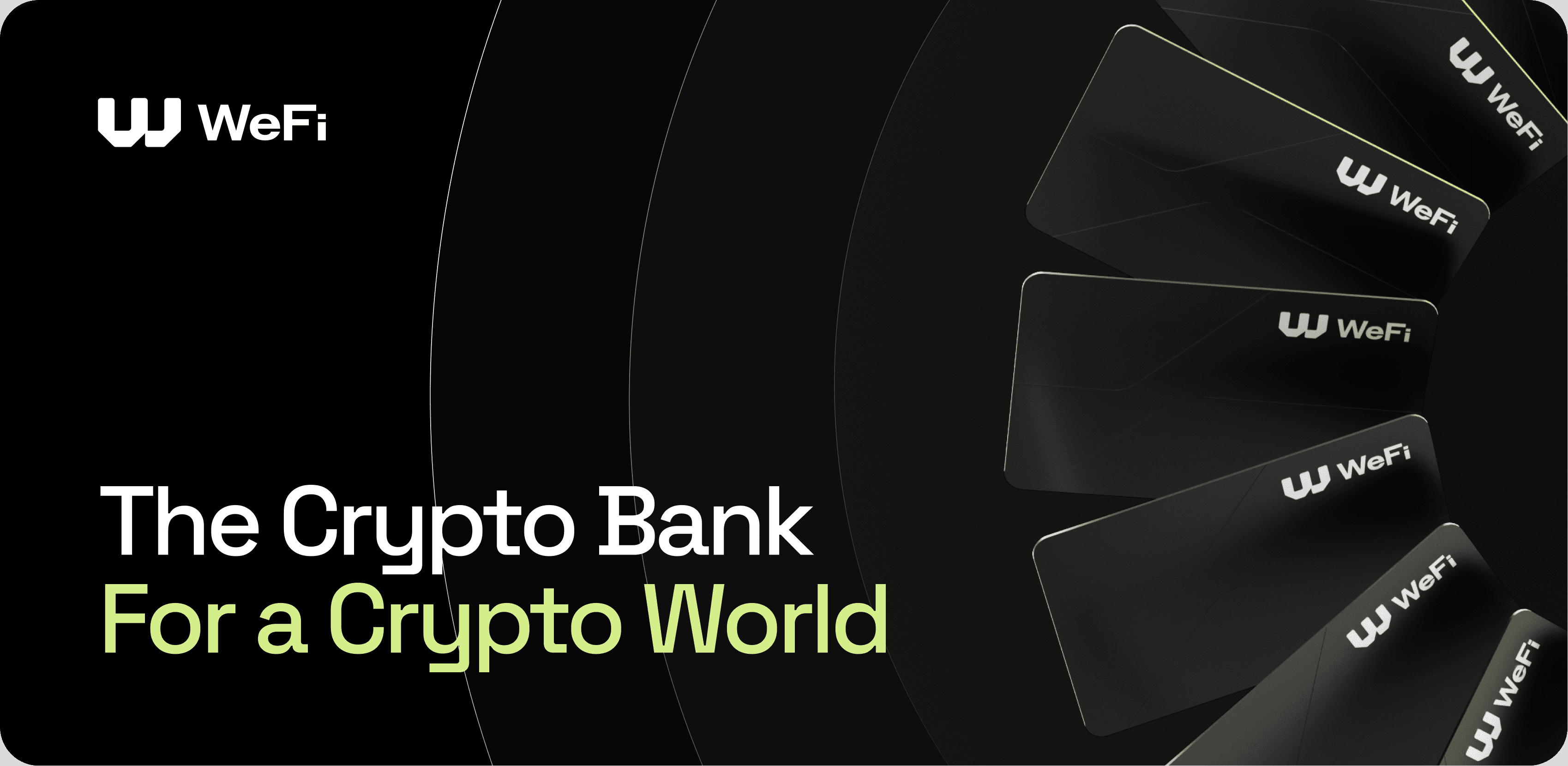
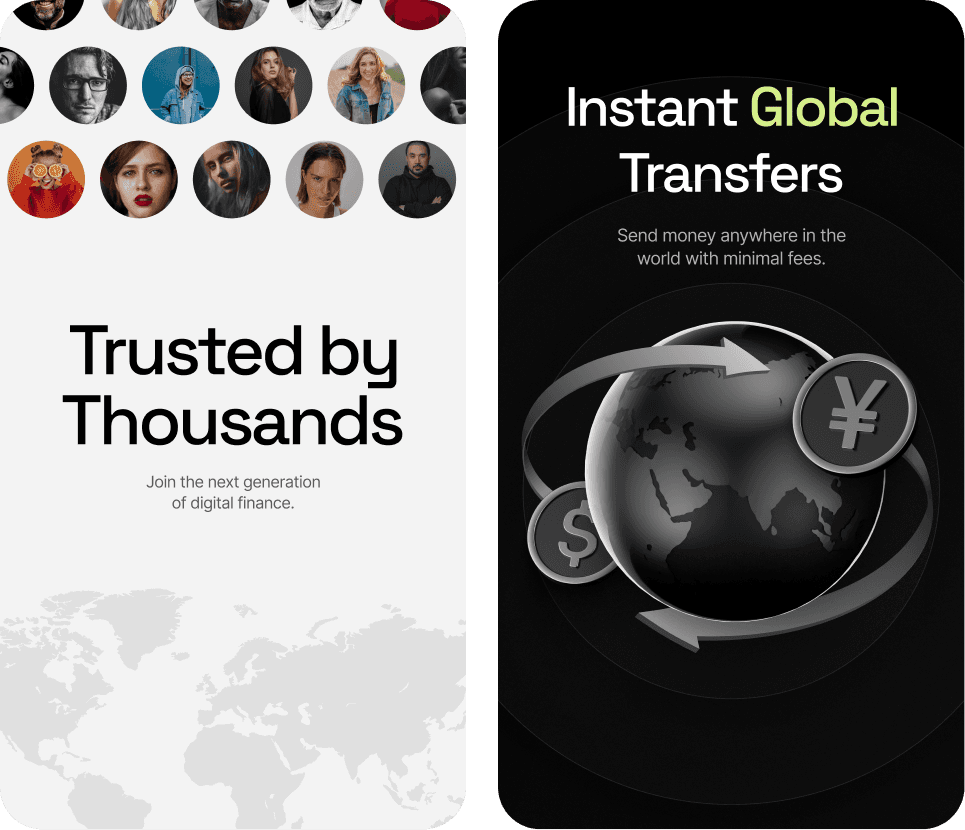
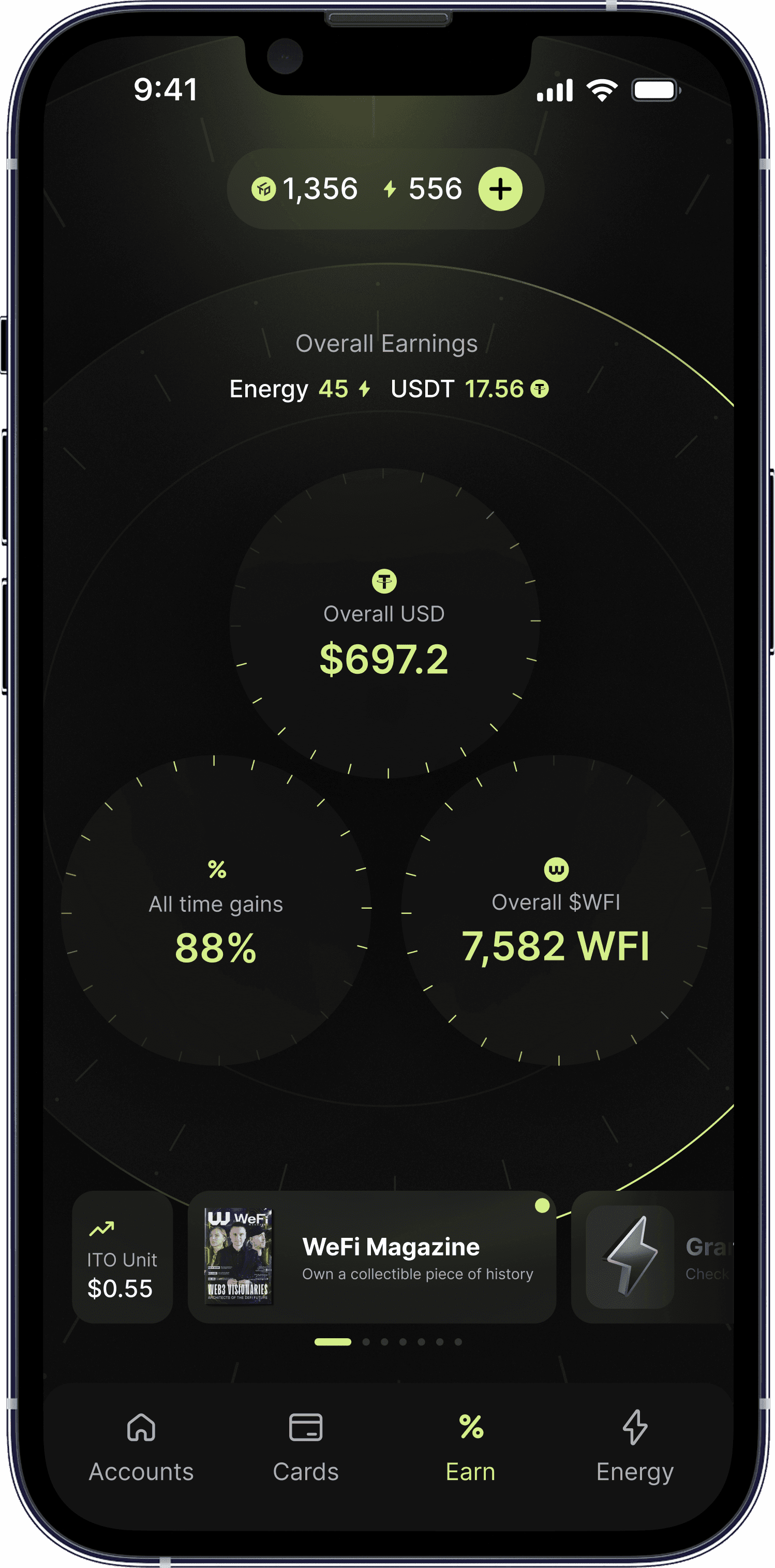
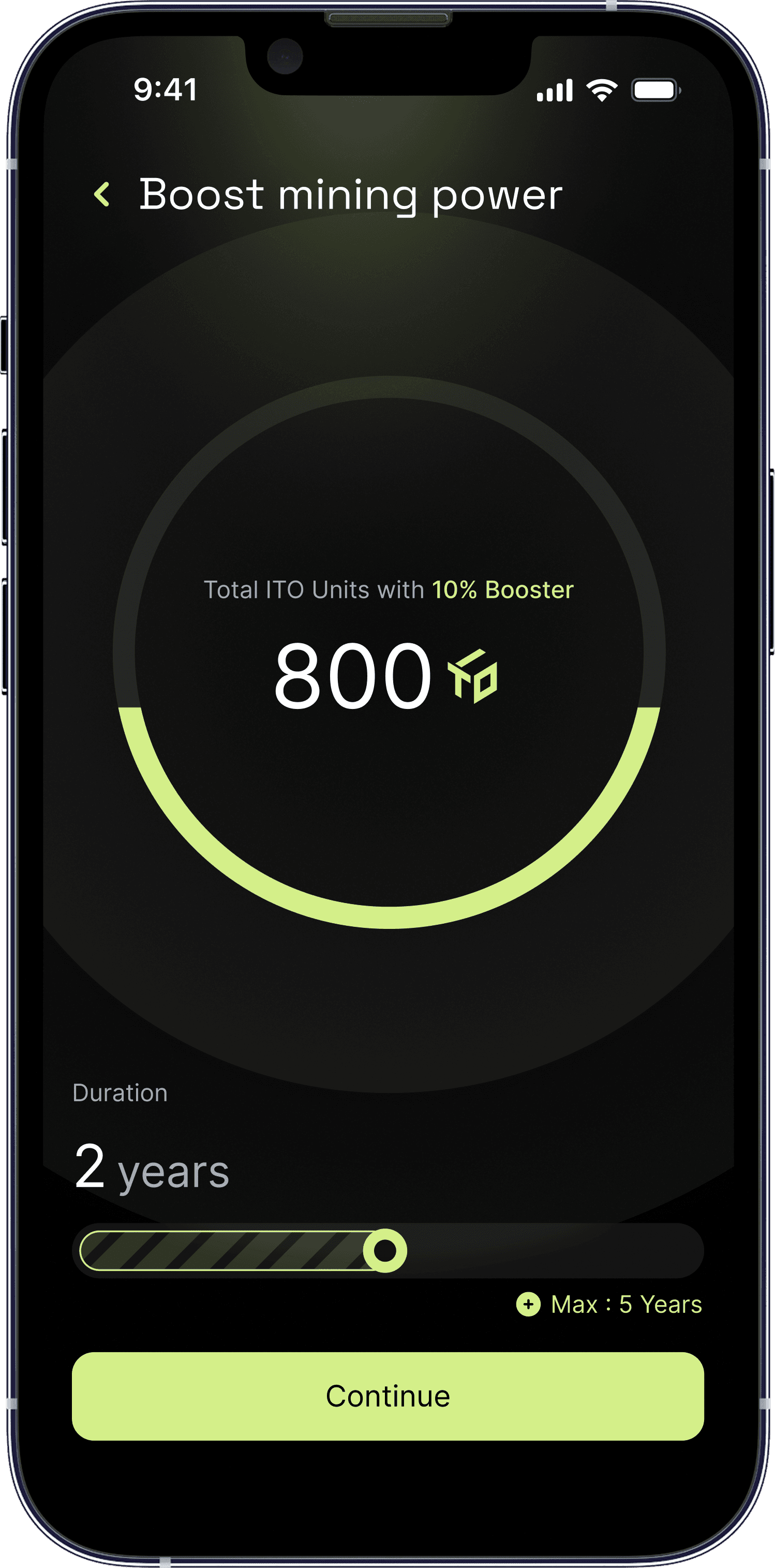
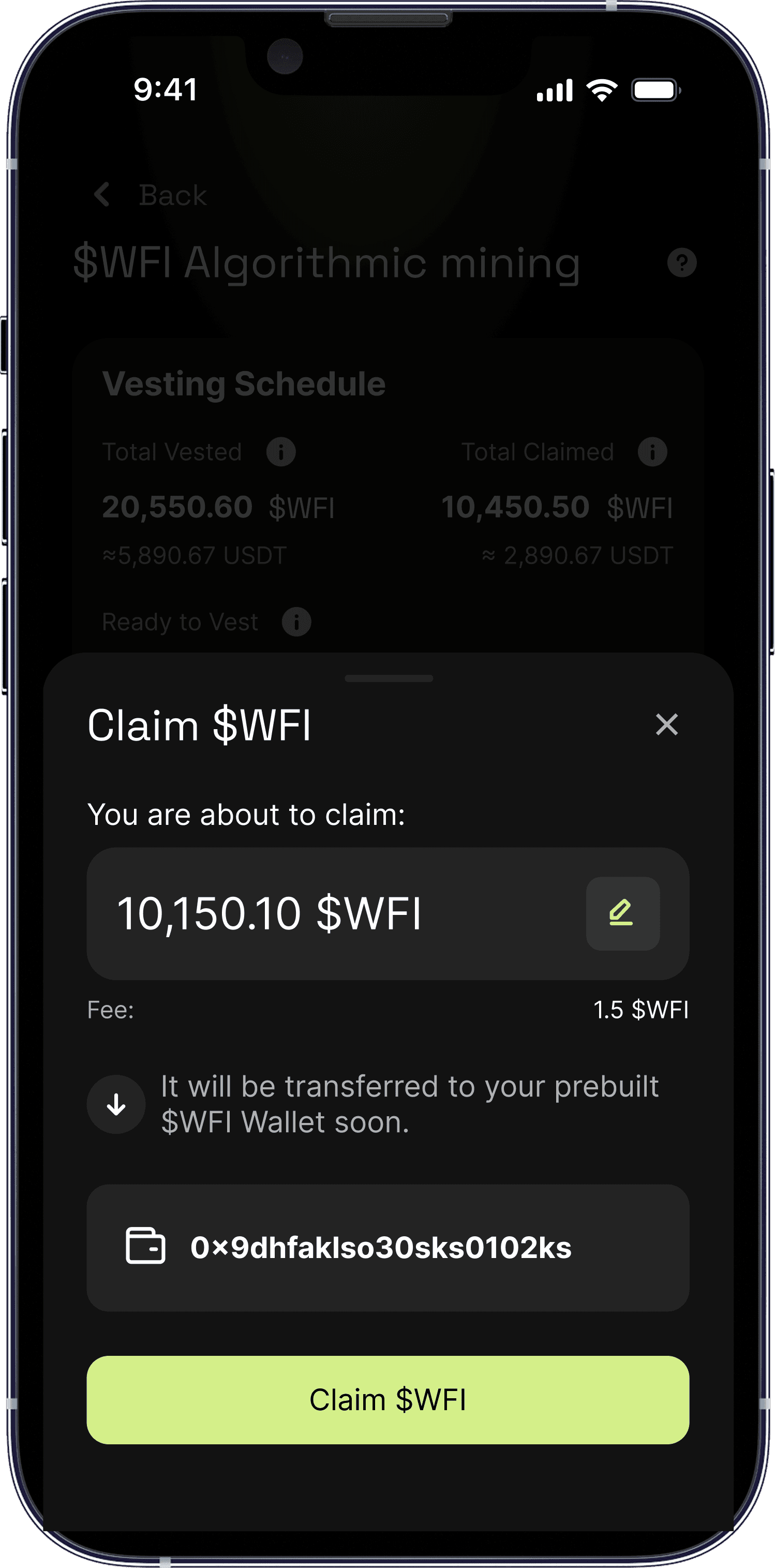
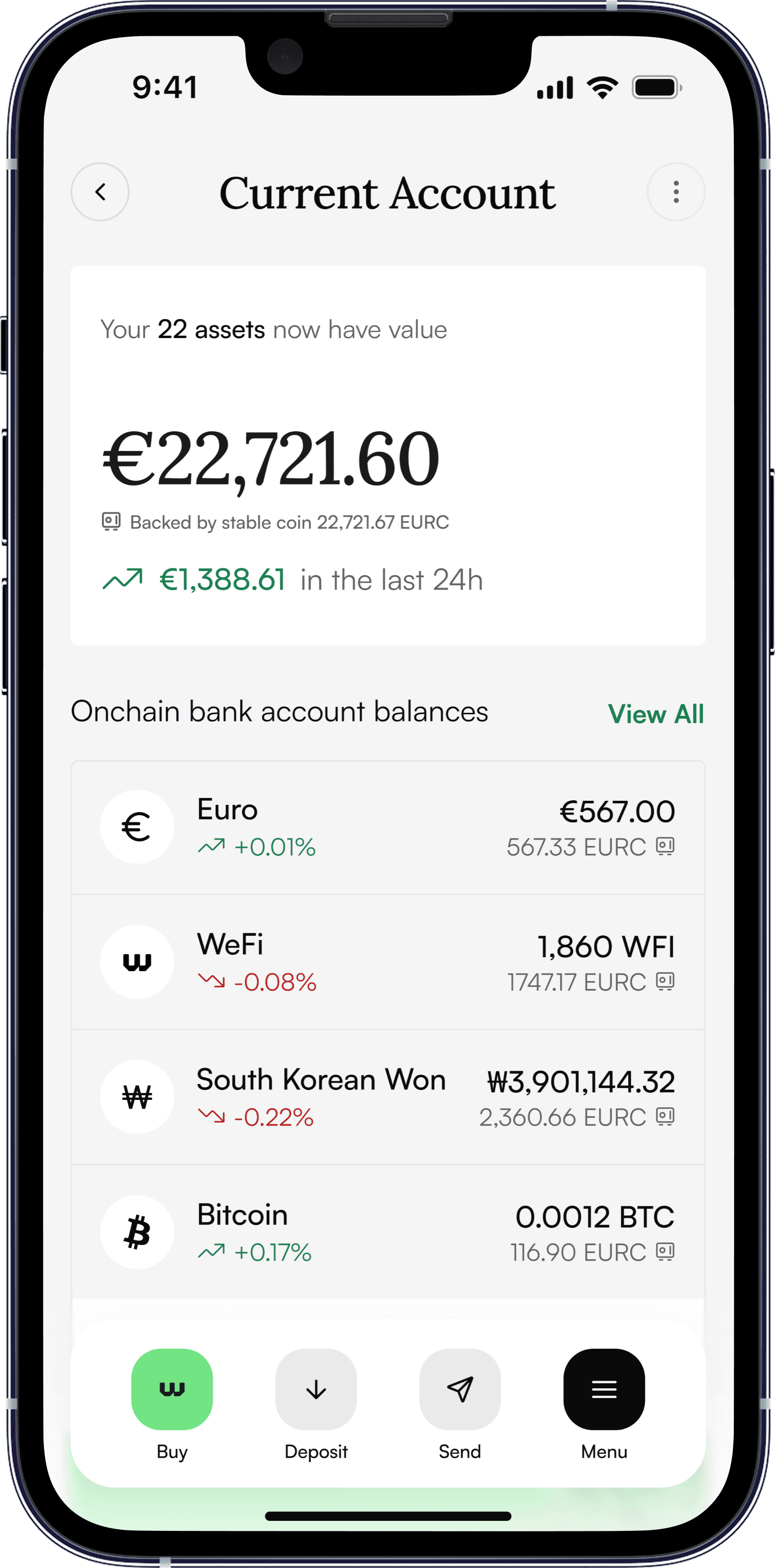
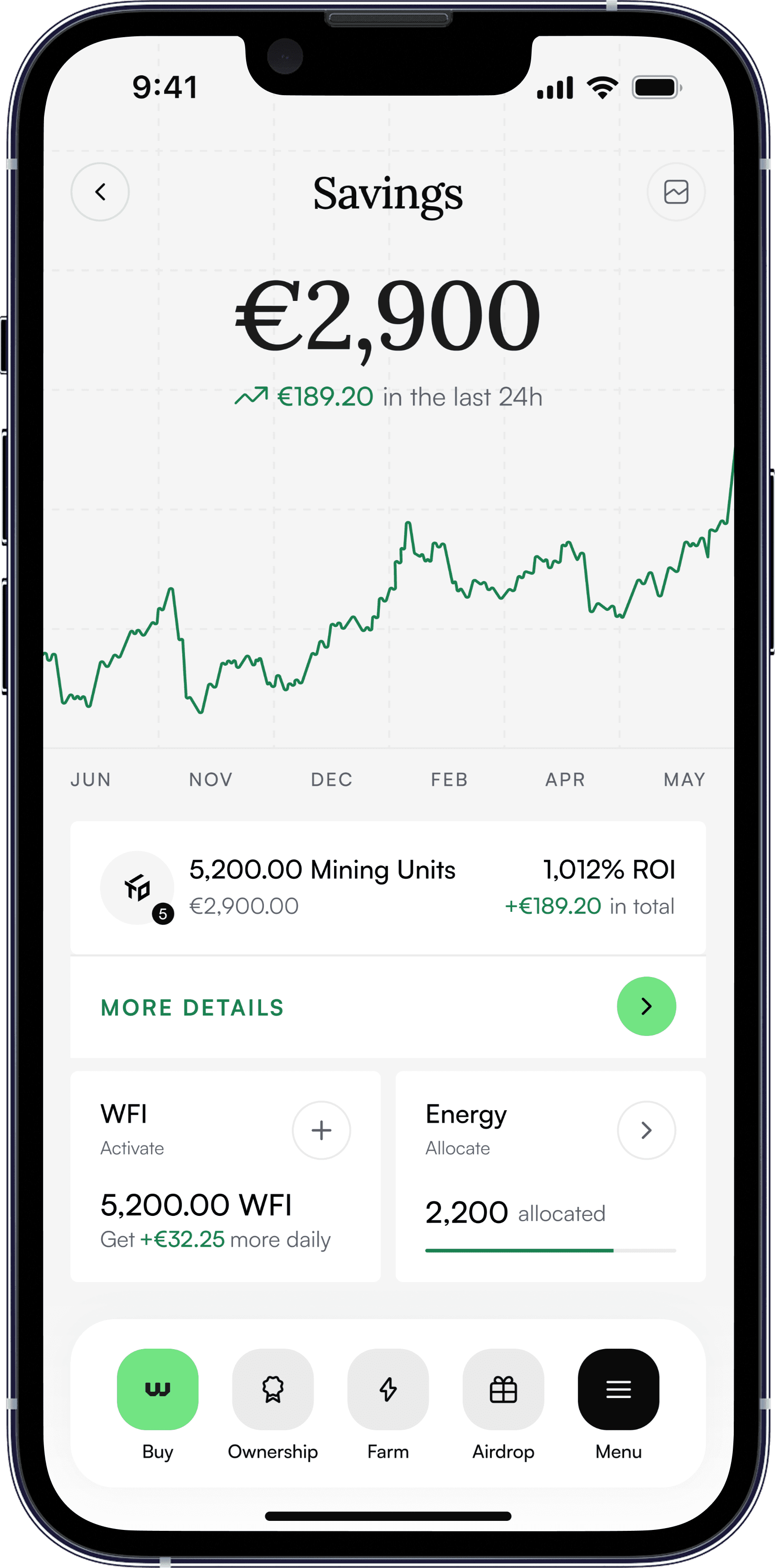
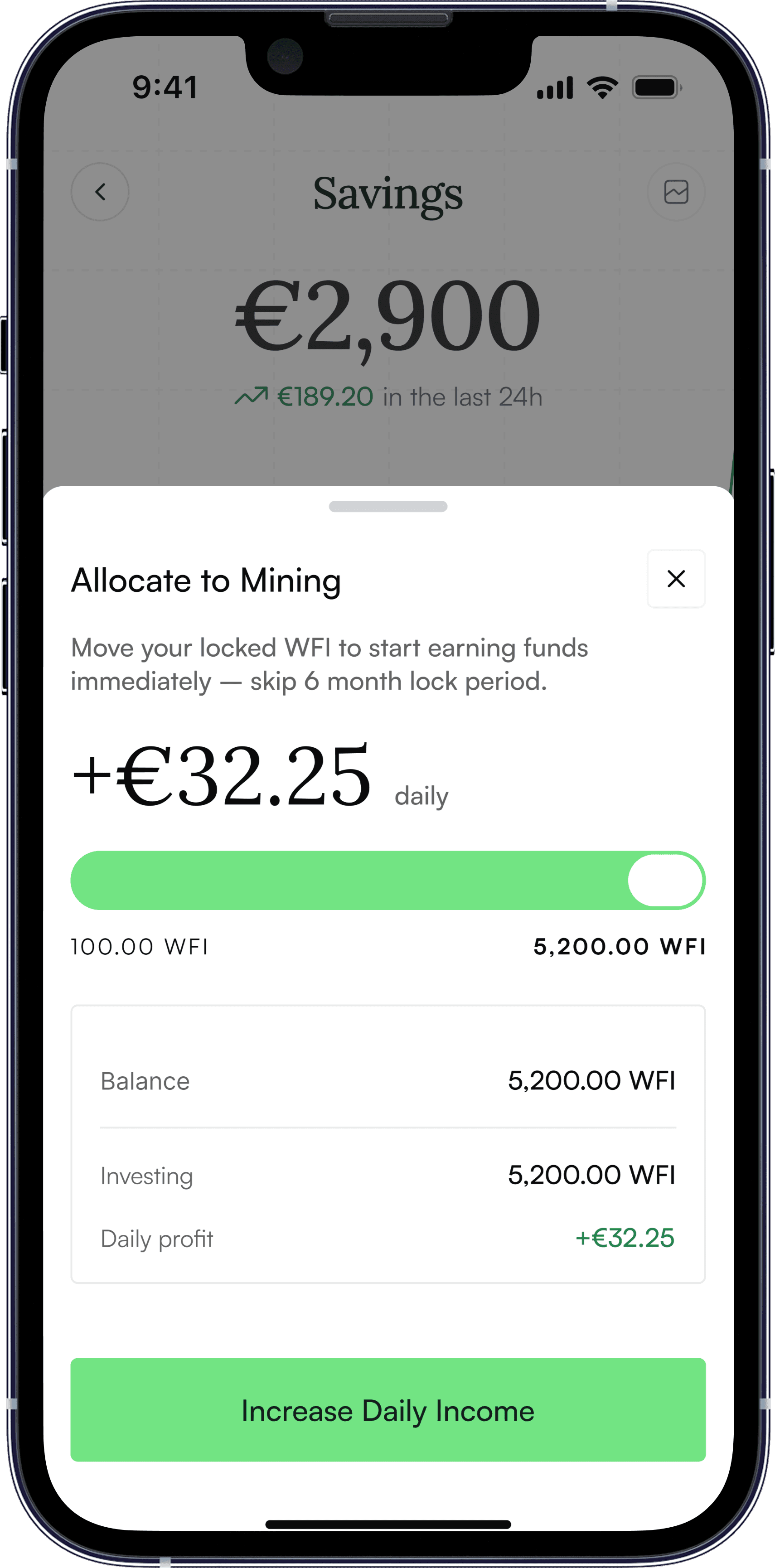
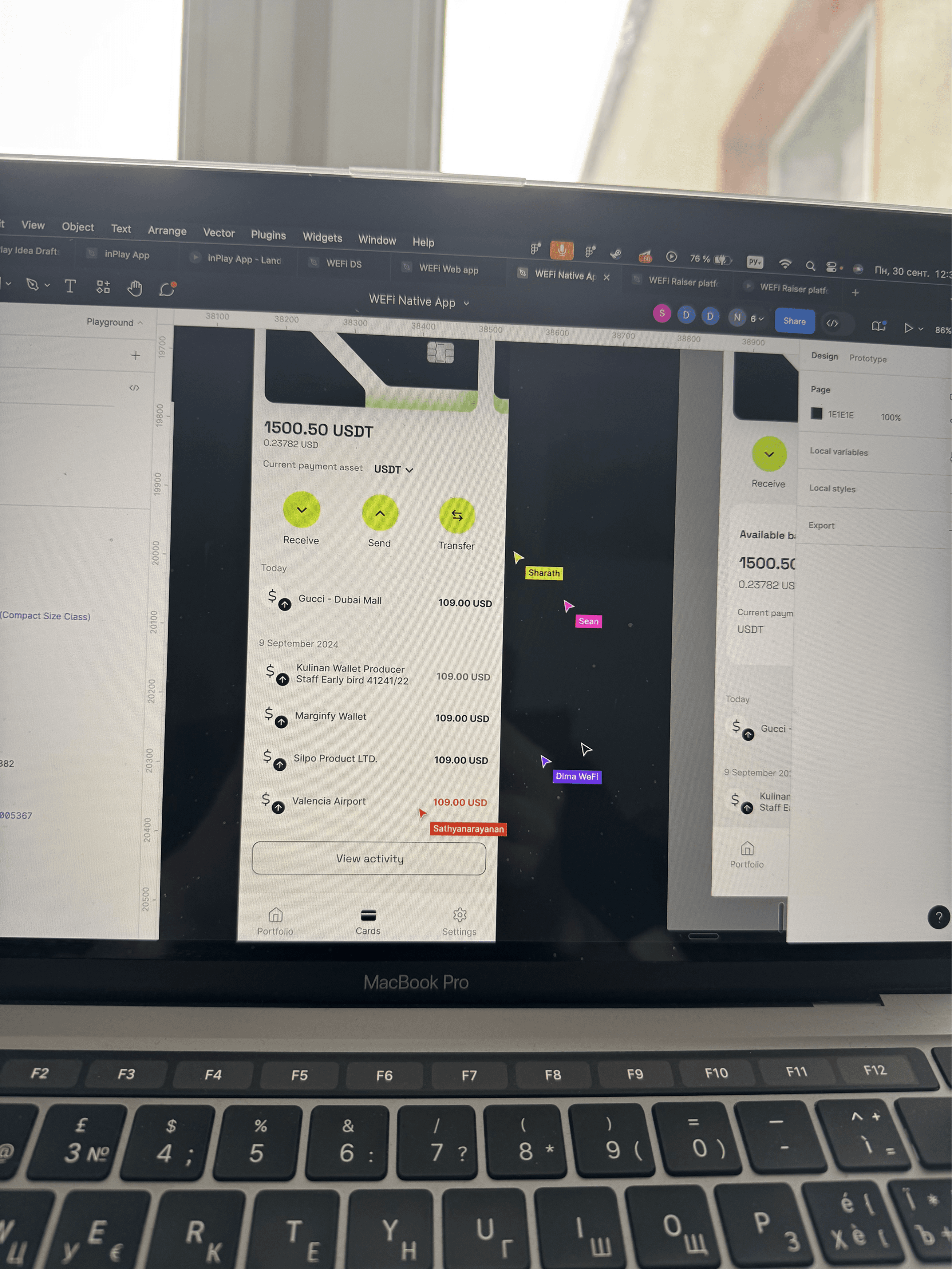
WeFi Main App
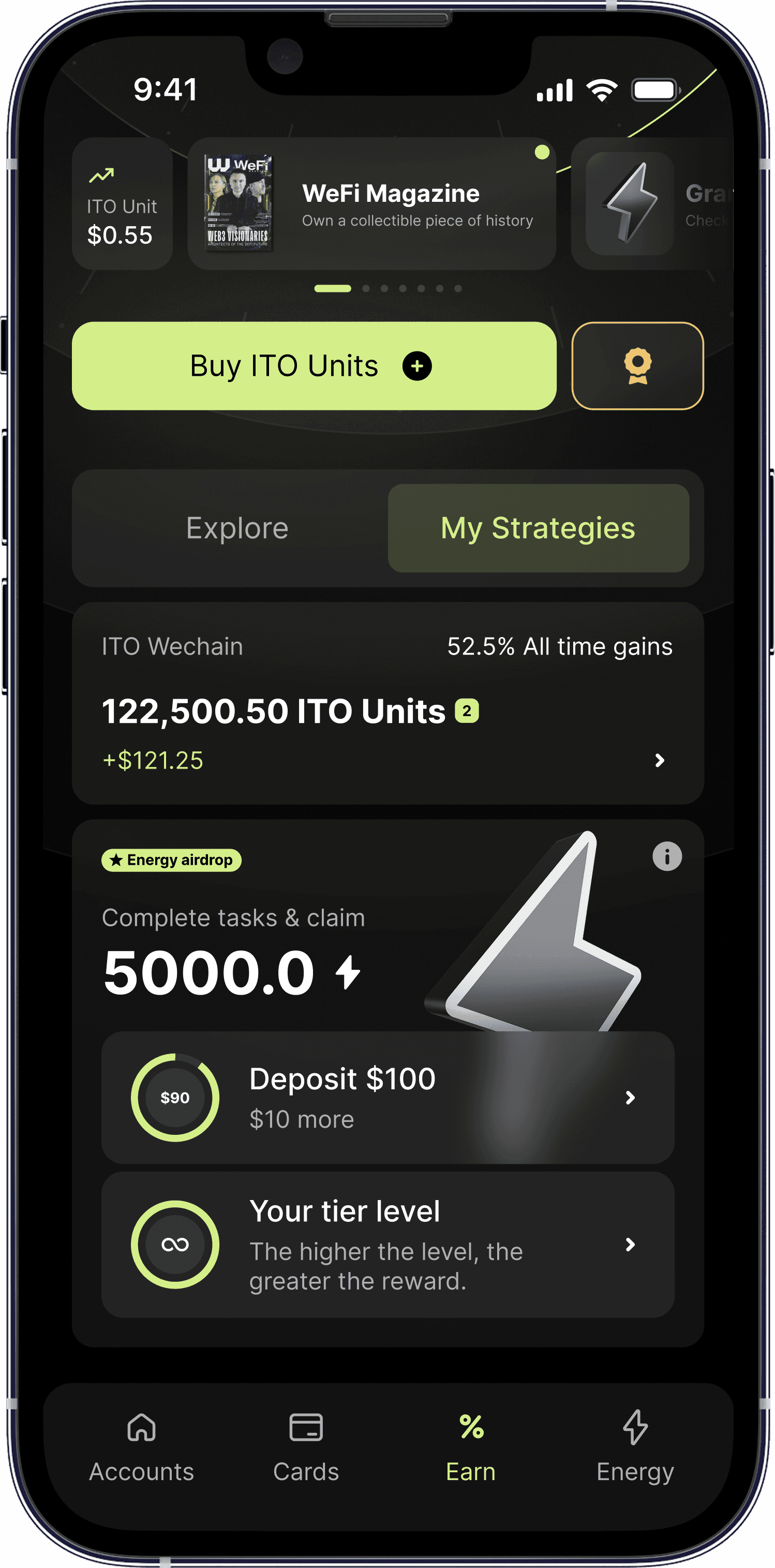
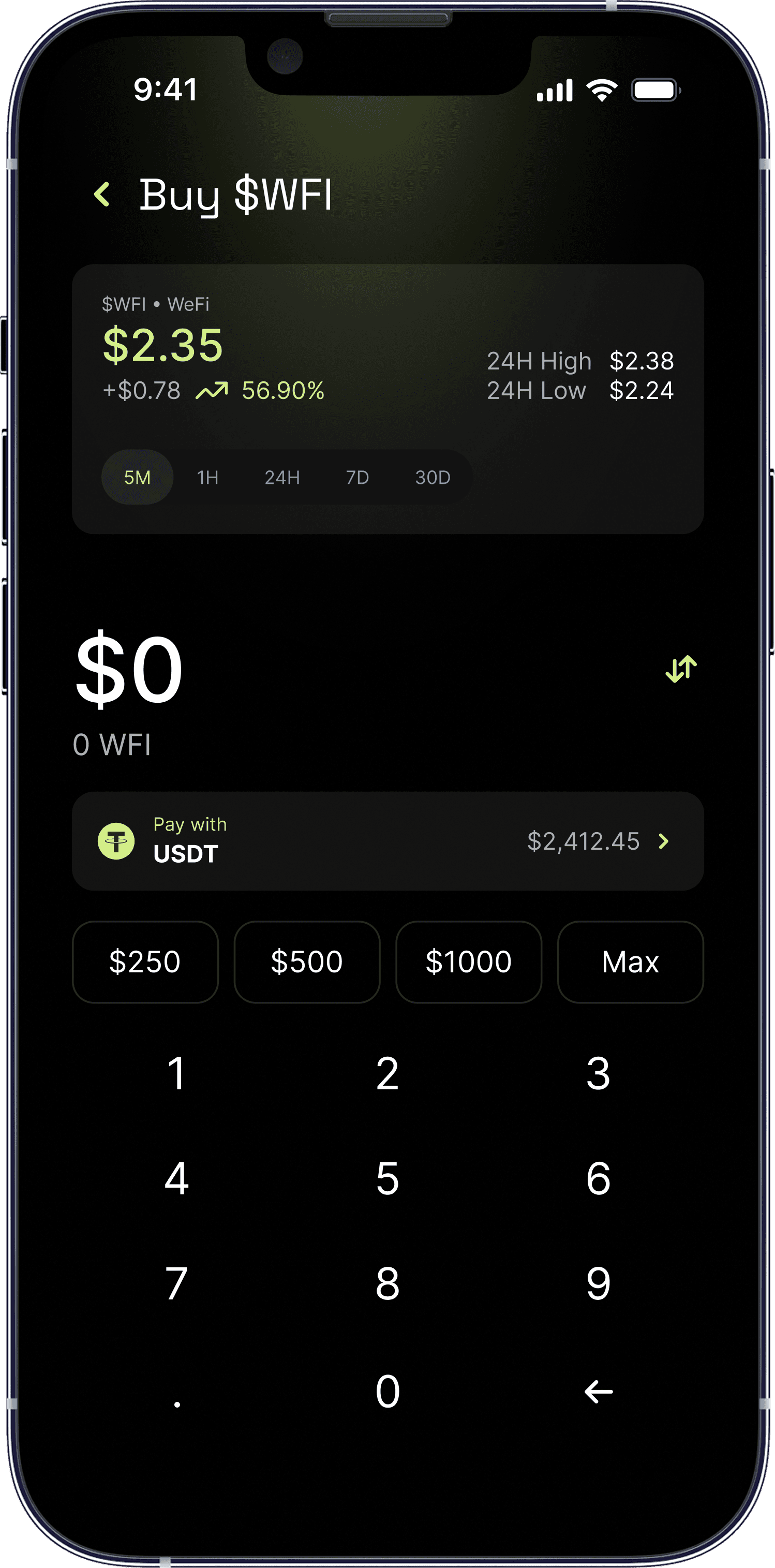
Core fintech experience across wallets, investments, cards, and engagement mechanics
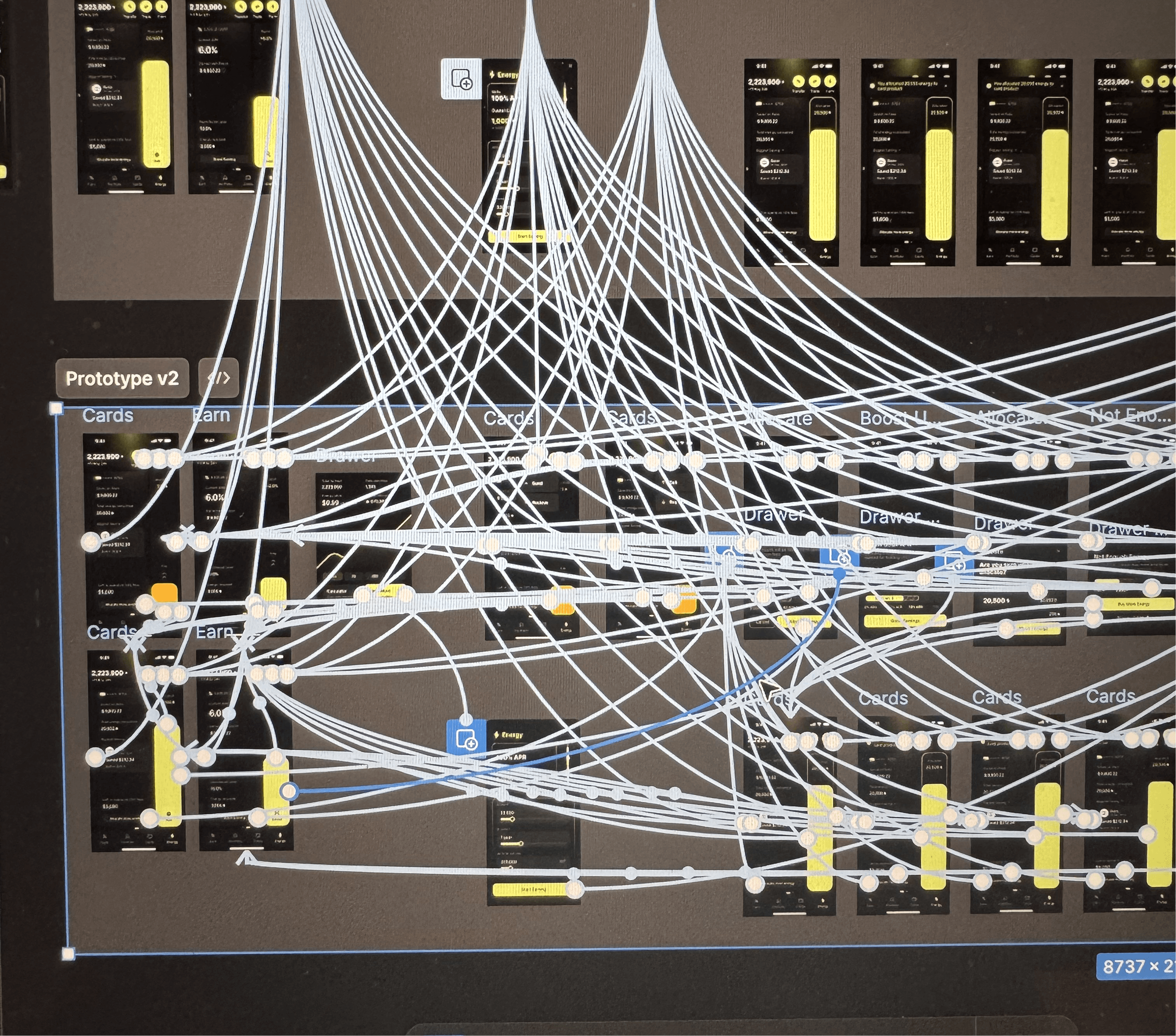
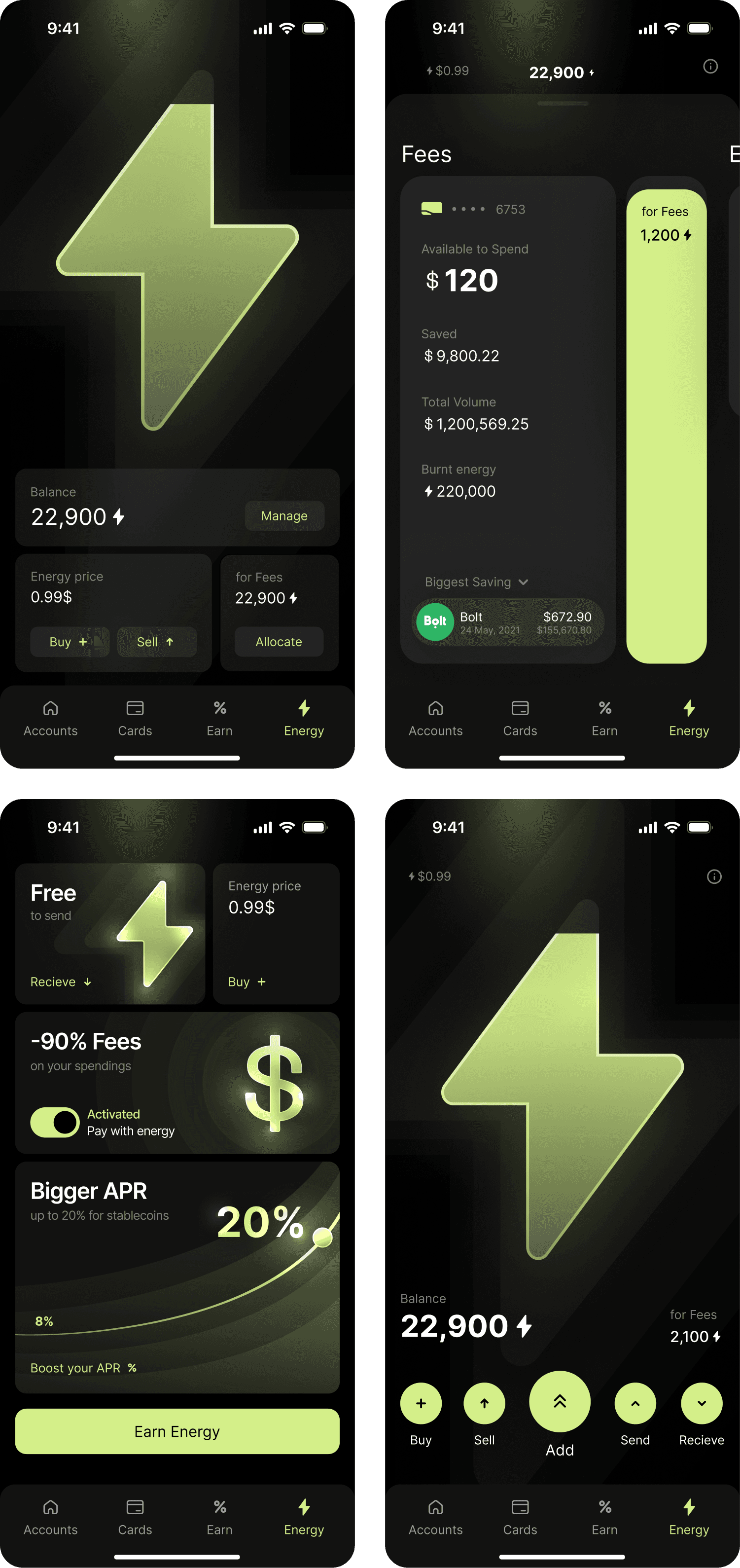
The challenge was to connect multiple complex product layers into one clear user experience: managing assets, participating in pools, using cards, understanding balances, and interacting with benefit-driven mechanics. Energy was designed not just as an additional feature, but as a product engagement layer – a way to create recurring value, improve retention, and give users extra benefits inside the ecosystem.
Every area of the app was designed with the user’s financial maturity, previous crypto experience, risk perception, and trust expectations in mind. The UX approach was based on Lean UX, heuristic evaluation, Jobs To Be Done, behavioral design principles, progressive disclosure, and accessibility-driven interaction patterns.

SalePoint
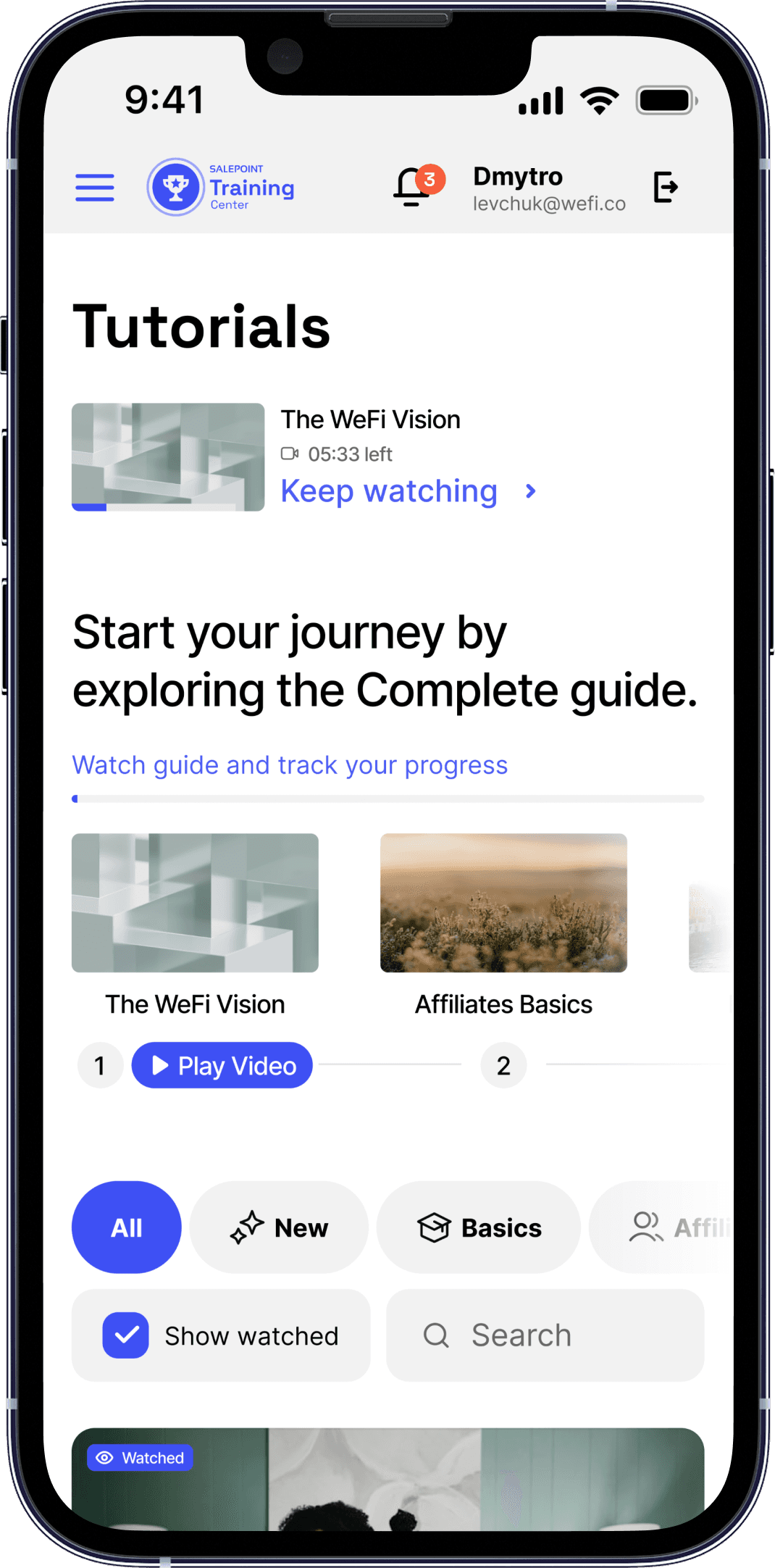
Platforms for managing KOLs, referral networks, sales activity, education, and partner performance
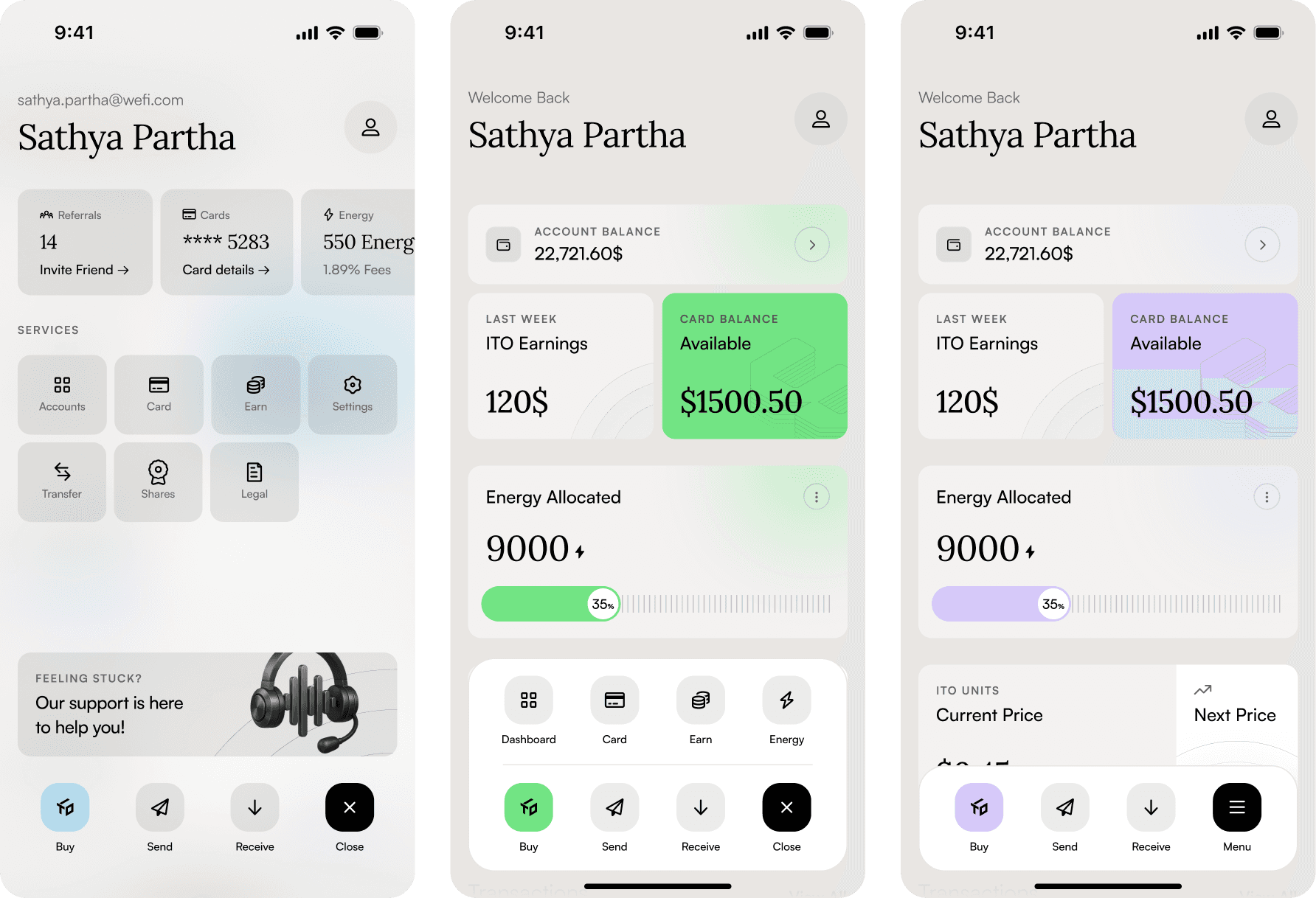
SalePoint was created to give internal teams and large referrers one clear place to monitor how their network performs. Instead of working through spreadsheets, manual reports, and constant manager requests, users could see key activity, referral structure, bonuses, and growth metrics in a more organized way.
The main design challenge was to make operational data easy to read and act on. The tool needed to work not only for internal teams, but also for KOLs and partners who may not have deep fintech or crypto experience. The interface focused on simple hierarchy, transparent reward logic, clear performance states, and fast access to the metrics that matter most.


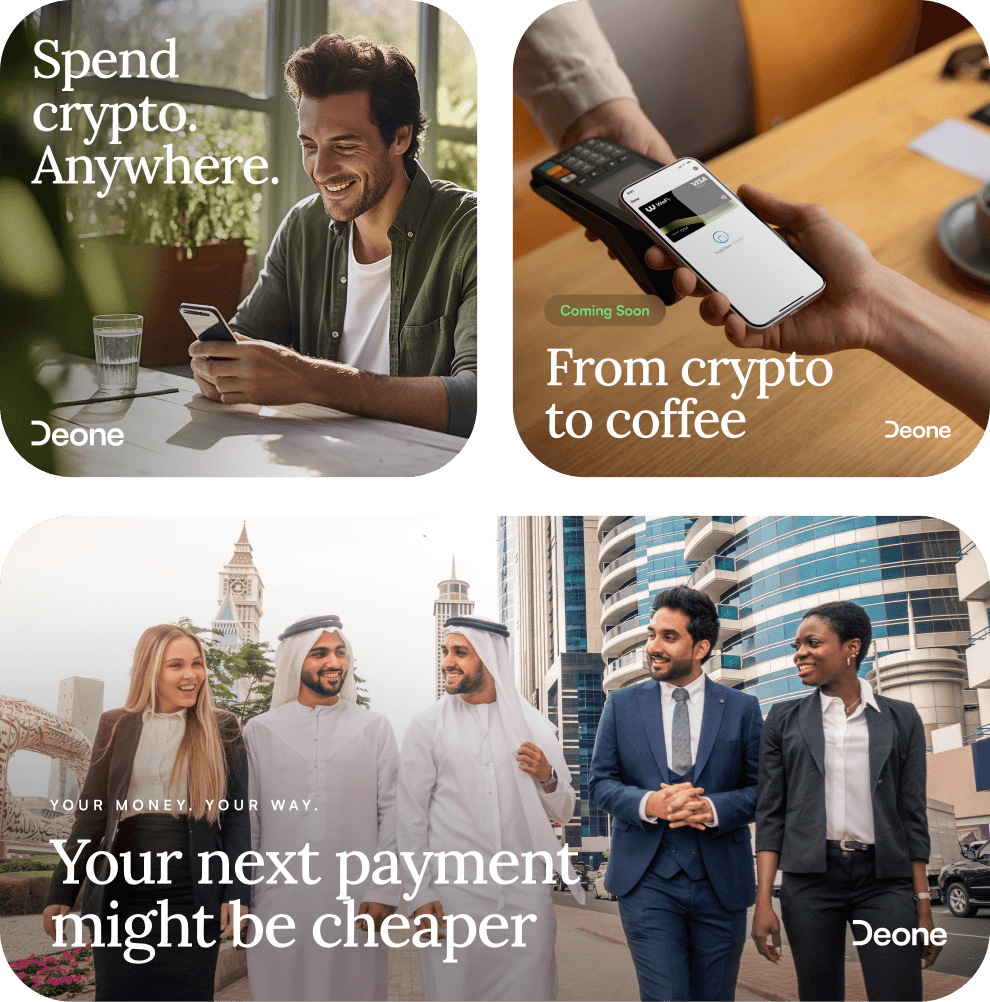
Deone
To be released soon
Onchain banking experience for accounts, cards, payments, and money movement
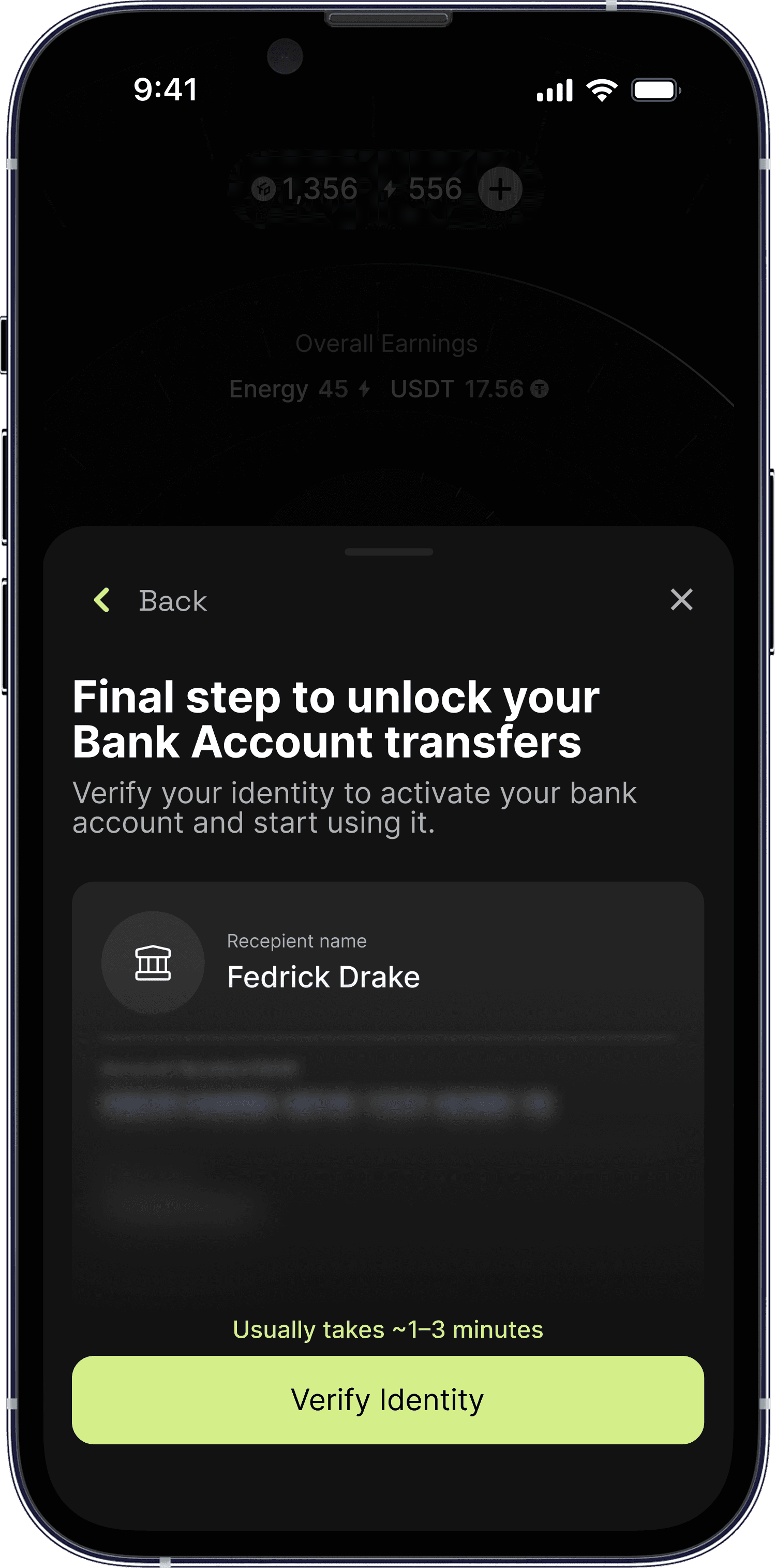
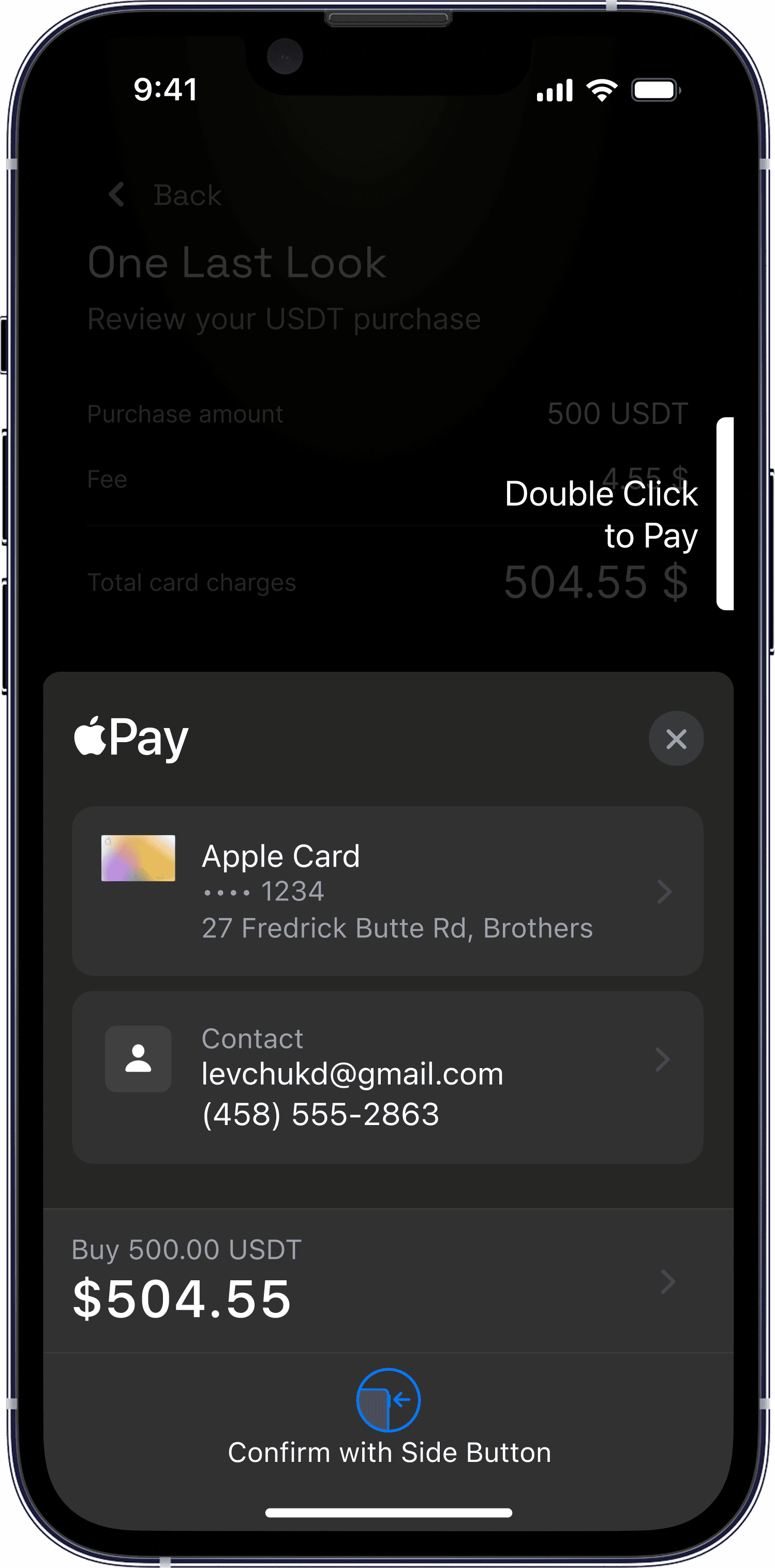
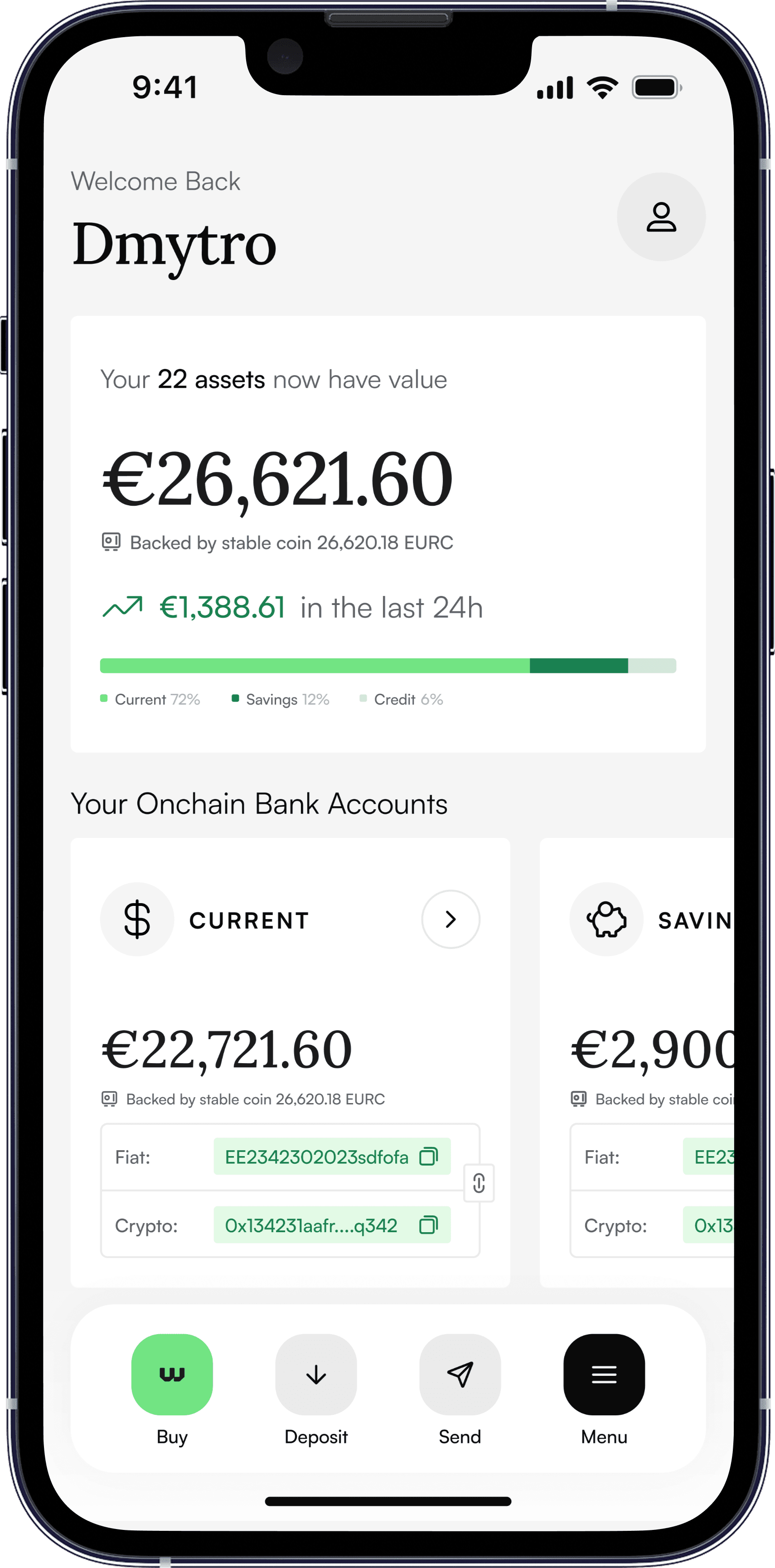
New WeFi product that connects everyday financial actions with onchain infrastructure. It brings together account creation, IBAN-based transfers, card usage, balances, and redesigned on-ramp/off-ramp flows in one clear experience.
Worked on the product structure, key flows, transaction states, subscription mechanics, and the Onchain Explorer – a tool for viewing transaction details, statuses, and onchain activity with more transparency.

Outcomes
The work helped turn WeFi into a more structured and scalable product ecosystem across the main app, internal tools, and new product directions.
My contribution covered the full product design layer: core user flows, UX audits, product logic, interface patterns, design system foundations, developer handoff, and continuous improvements across multiple fintech and crypto-fintech experiences.
"Great product design starts with genuine obsession. When you truly care about the product, handoff is not the finish line – it is the moment where real design begins"
Users total
Supported jurisdictions
In Coinmarketcap
Fully-diluted value

Back